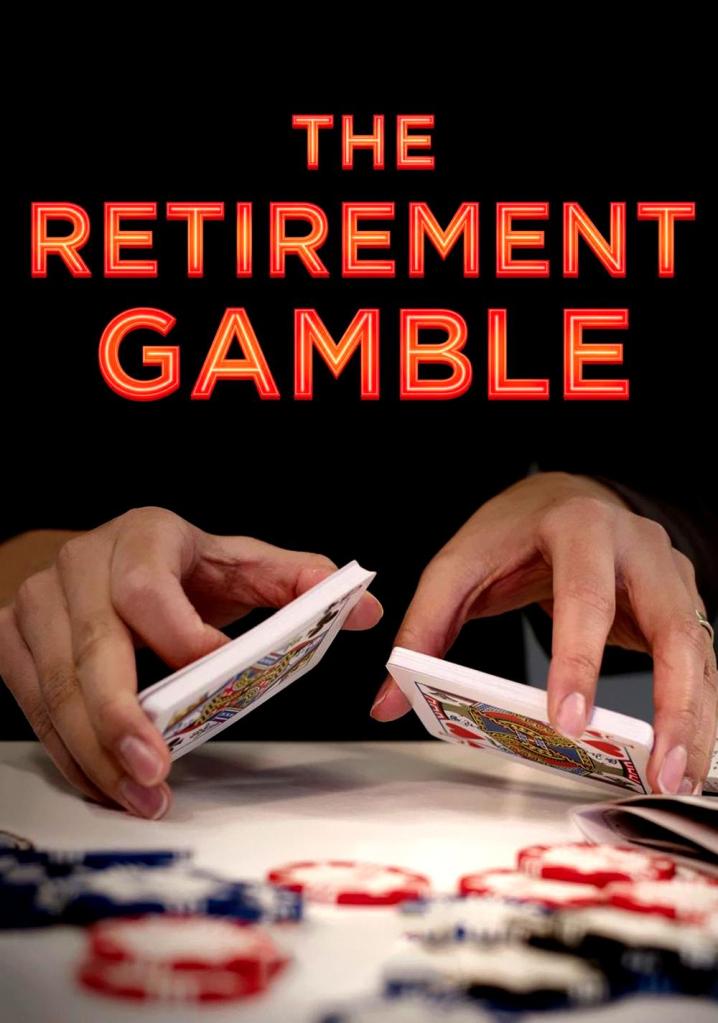
From 1990 to 2007, the size of the finance industry grew at a rate that was 64% faster than that of the entire economy. This rapid expansion of the financial sector, which occurred without proper oversight, played a significant role in triggering one of the most severe economic downturns in history in 2008. The aftermath of this recession left a lasting impact, fostering distrust and resentment among the public towards the finance industry. The documentary made by PBS titled The Retirement Gamble, created a few years after the crisis, depicted the discontented hard-working people who had been sold unsuitable financial products, leaving them in the dark about their investments.
Despite the widespread availability of the internet in the early 2010s, there existed a profound informational asymmetry between finance professionals and the general public. It was a common practice then that investment products used in retirement accounts, such as 401k, as well as in individual brokerage accounts, unbeknownst to investors, had excessively high management fees. Combined with additional fees paid to administrators of these accounts, including financial advisors, the total management cost could exceed 2% of the portfolio value. The journalist in the documentary is shocked to discover how the cost of 2% a year, seemingly a small number, can significantly diminish one’s investment returns in the long run, due to its compounding effect.
Continue reading “The State of Finance Professionals – A Decade After the PBS Documentary “The Retirement Gamble””

 The Well Tempered Investor