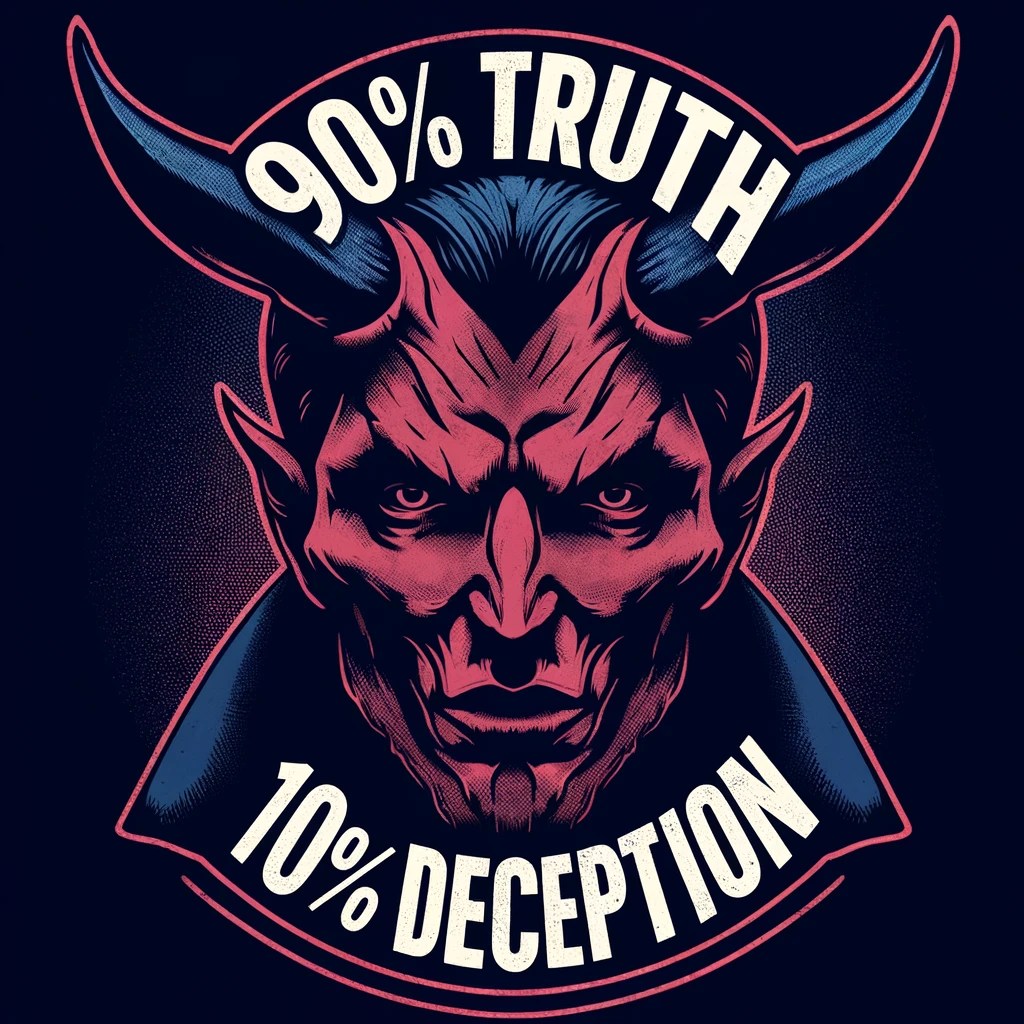
Devil’s Tactic – How Influencers Deceive Their Audience

As social media became widespread, some users have gained a large following, sometimes in the millions. As they often appear accessible, such as broadcasting from their homes and personally responding to their audience’s comments, people tend to trust them relatively easily. Consequently, companies have started to see these influencers as a valuable channel through which to promote their products.

I used to watch videos on men’s style regularly on Youtube when I was learning about classic clothing like suits. Unlike programs on television that appear over-produced, those on YouTube appeared more genuine and personable. Naively, I believed YouTube personalities were creating videos solely for the benefit of viewers. One such influencer recommended a belt with micro adjustments on its reverse side, promising the perfect fit at all times. After learning useful men’s style rules and tips from him, I didn’t hesitate to purchase this belt, thinking, “If this influencer is recommending it, it must be a great product.”

Continue reading “Devil’s Tactic – How Influencers Deceive Their Audience”

Personal Finance Lessons from Dostoevsky’s “Poor Folk”

In Fyodor Dostoevsky’s novel Poor Folk, Makar Divushkin, a middle-aged copying clerk in 19th-century Russia, grapples with a life of poverty. Moreover, he is dissatisfied with his job, and believes his lack of skills makes his career prospect bleak. Instead of attempting to improve his situation, his thoughts are heavily consumed by Varvara Dobroselova, a young woman of higher social standing, with whom he maintains heartfelt letter correspondences. In a bid to win her affections, Makar Divushkin goes into debt and buys her expensive gifts, which ruins him financially. 

Dostoevsky’s Poor Folk, which partly critiques the rigid social hierarchy of 19th-century Russia and the destitution of ordinary people, holds relevance in contemporary America, since many individuals similar to Makar Divushkin exist among us today. Potentially due to coming from a challenging background, they aspire to enhance how they are socially perceived, by engaging in activities such as pursuing university education, traveling, and acquiring cars and homes, often funded with debt. Alarmingly, in 2023, the total credit card debt in the US surpassed $1 trillion, with student loan balance nearing $2 trillion. On an individual level, a person who went to a university typically carried a credit card debt of around $7,000 and student loan of $30,000, largely in the pursuit of upward mobility. 

Continue reading “Personal Finance Lessons from Dostoevsky’s “Poor Folk””

The Tale of Two G-Shocks

Many believe that money can bring them happiness, by buying expensive goods and services. However, spending money aimlessly can actually lead to unhappiness. Without understanding the true nature of money, people can become trapped in the never-ending pursuit of worldly pleasures. I was lucky to learn the important relationship between money and happiness relatively inexpensively from two watches.

Upon finishing junior high school in Japan, my uncle gifted me a highly popular G-Shock watch. Rarely receiving such a gift, I was thrilled and wore it daily, including during my high school exchange program in the US a few years later. Unfortunately, during a band practice, I took the watch off and left it behind in the practice room. When I returned the next day, the watch was nowhere to be found. The careless loss of this special gift from my uncle left me with a deep sense of guilt.

Continue reading “The Tale of Two G-Shocks”